What to Expect in Your Child's First ABA Session
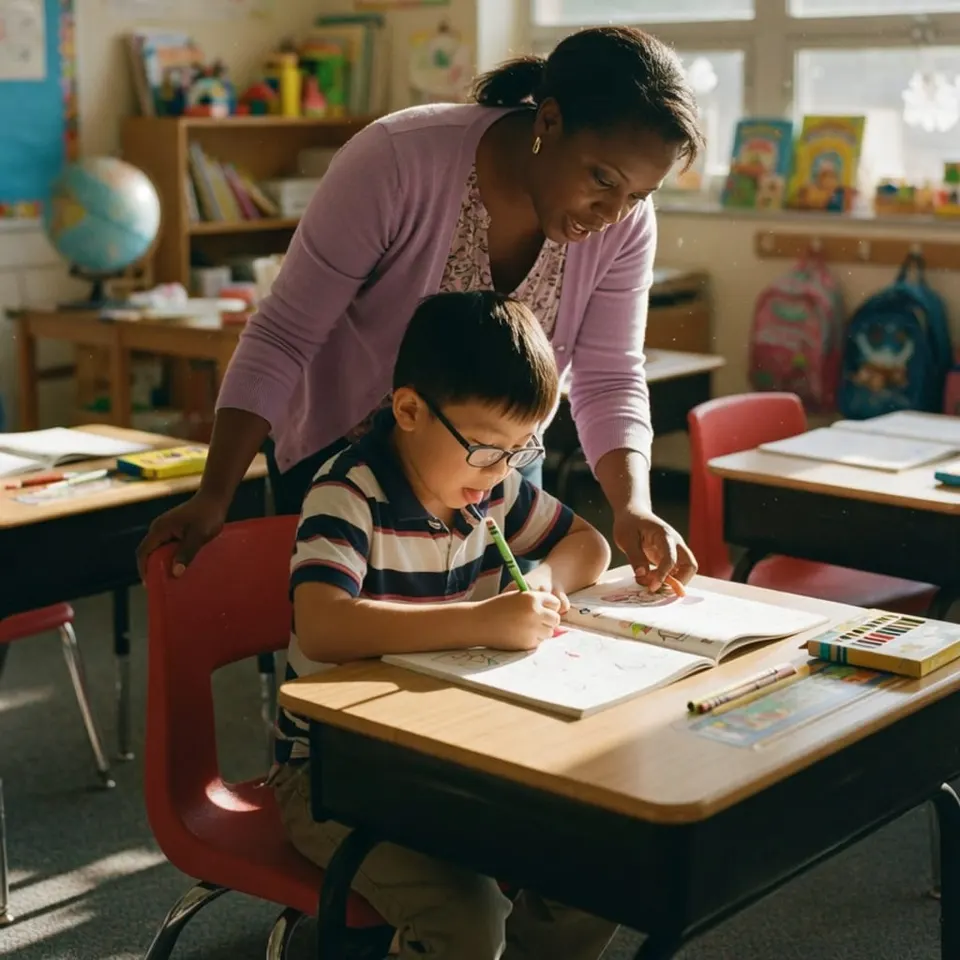
In short: Your child's first ABA session is typically a low-pressure, play-based observation and assessment led by a Board Certified Behavior Analyst (BCBA). The therapist will build rapport, gather baseline data on your child's skills and behaviors, and discuss goals with you. No therapy goals are implemented yet; it's about understanding your child's unique needs and starting a collaborative partnership.
Key takeaways
- The first session is an assessment, not full therapy; expect observation and play.
- A BCBA leads the session, often with a registered behavior technician (RBT) present.
- Parent involvement is key: you'll share concerns, goals, and observe the process.
- Bring comfort items and your child's favorite toys to help them feel at ease.
Understanding the First ABA Session
Starting Applied Behavior Analysis (ABA) therapy for your child can feel both hopeful and overwhelming. The first session is designed to be a gentle, collaborative introduction. It's not about jumping into intensive therapy but about building a foundation of trust and understanding between your family and the therapy team. This session is often called an initial assessment or intake, and it sets the stage for a personalized treatment plan.
What Is ABA Therapy?
ABA therapy is a scientifically validated approach that uses principles of learning and behavior to increase helpful behaviors and reduce those that may interfere with learning or daily life. It's widely recognized as an effective intervention for children with autism spectrum disorder (ASD), focusing on skills like communication, social interaction, self-care, and academic readiness. The therapy is individualized, data-driven, and delivered by trained professionals, typically a Board Certified Behavior Analyst (BCBA) who oversees the program and registered behavior technicians (RBTs) who implement it.
Why the First Session Matters
The first session is crucial for several reasons. It allows the BCBA to observe your child in a natural setting, gather baseline data on current skills and behaviors, and understand your family's priorities. It also gives you a chance to ask questions, express concerns, and see if the therapist is a good fit for your child. This session is about rapport-building, not intervention, so expect a relaxed, play-based environment.

🔗 Related reading: ABA Therapy for Self-Harm in Teens: A Guide for Parents · Local ABA Therapy
Who Will Be at the First Session?
Typically, the first session is led by a BCBA, who is the lead clinician. They may be accompanied by an RBT who will later work directly with your child. In some cases, the session may be conducted solely by the BCBA. You, as the parent or caregiver, are an essential part of the team. Your insights and observations are invaluable for creating an effective plan.
The Role of the BCBA
The BCBA is responsible for conducting the initial assessment, which includes interviewing you, observing your child, and using standardized tools to evaluate skills. They will explain the process, answer your questions, and begin to develop a treatment plan. The BCBA will also discuss how they will measure progress and what goals might be appropriate.
The Role of the RBT
If an RBT is present, they may assist with the assessment by taking notes or engaging with your child under the BCBA's guidance. The RBT is the person who will typically deliver the day-to-day therapy sessions after the initial plan is created. Their presence in the first session helps your child become familiar with them.
What Happens During the First Session?
The first session is structured but flexible. It usually lasts 1 to 2 hours, depending on the setting (home, clinic, or school). Here's a step-by-step breakdown of what you can expect.
1. Initial Greeting and Rapport Building
The session begins with a warm introduction. The BCBA will talk with you while allowing your child to explore the environment. They may engage your child in play with toys or activities your child enjoys. This helps your child feel comfortable and allows the BCBA to observe natural behaviors.
2. Parent Interview
The BCBA will ask you detailed questions about your child's development, strengths, challenges, daily routines, and any specific concerns you have. They may also ask about your child's preferences, triggers for challenging behaviors, and what you hope to achieve through therapy. This conversation is confidential and helps tailor the plan to your family's needs.
3. Direct Observation and Assessment
While you talk, the BCBA will observe your child's interactions, communication attempts, play skills, and any behaviors that may be challenging. They may use a structured assessment tool, such as the VB-MAPP (Verbal Behavior Milestones Assessment and Placement Program) or the ABLLS-R (Assessment of Basic Language and Learning Skills), to evaluate skills across domains like language, social, and self-help. This is done through play and natural activities, not tests.
4. Data Collection
The BCBA will take notes or use a tablet to record observations. This data forms the baseline against which future progress will be measured. They may also ask your child to perform simple tasks, like pointing to a picture or imitating a sound, to gauge current abilities.
5. Discussion of Next Steps
At the end of the session, the BCBA will summarize their initial impressions and discuss the next steps. They will explain how they will create a treatment plan, which typically includes specific goals, teaching strategies, and a schedule for sessions. You'll also discuss how often therapy will occur (e.g., 10-20 hours per week) and how progress will be tracked.

🔗 Related reading: ABA vs AAC for Non-Verbal Child: Key Differences · Local ABA Therapy
How to Prepare for the First Session
Preparation can help the session go smoothly and reduce anxiety for both you and your child.
Practical Tips
- Bring comfort items: Your child's favorite toy, blanket, or snack can help them feel secure.
- Share information: Have a list of your child's likes, dislikes, and any triggers for challenging behaviors ready.
- Choose a familiar setting: If the session is at home, keep the environment calm and clutter-free. If at a clinic, arrive a few minutes early to let your child adjust.
- Be present: Plan to stay for the entire session. Your presence is important for the assessment and for building trust.
- Ask questions: Write down any questions you have beforehand, such as how progress is measured or what to do if your child is upset.
What to Avoid
- Don't pressure your child: The session is about observation, not performance. Let your child be themselves.
- Avoid over-scheduling: Keep the day of the session low-stress. Avoid other appointments or activities that might tire your child.
- Don't expect immediate results: The first session is just the beginning. Real progress takes time and consistency.
Cost and Insurance Coverage
ABA therapy is often covered by health insurance, including many private plans and state Medicaid programs. The first session is typically included in the initial assessment, which is usually billed as a separate service. Many families pay little to no out-of-pocket costs, depending on their plan. It's important to verify coverage with your insurance provider before the session. If you need help finding a provider that accepts your insurance, our free matching service can connect you with vetted BCBA-led providers in your area.
Medicaid and Early Intervention
In many states, Medicaid covers ABA therapy for children with an autism diagnosis. Additionally, early intervention programs (for children under 3) may include ABA services. These programs often have specific eligibility criteria, so check with your local early intervention office. Our service can help you navigate these options and find providers who accept Medicaid.

Common Mistakes to Avoid
To make the most of the first session, avoid these common pitfalls:
- Not being honest: Share all concerns, even if they seem minor. The BCBA needs a complete picture.
- Interfering with observation: Let the BCBA interact with your child naturally. Avoid prompting or correcting your child during the session.
- Expecting a diagnosis: The first session is not for diagnosing autism. It's for assessing skills and behaviors to guide therapy.
- Forgetting to ask about communication: Clarify how you'll receive updates, who to contact with questions, and how often progress reports will be shared.
After the First Session: What's Next?
Within a week or two after the first session, the BCBA will provide a written treatment plan. This plan outlines specific goals, teaching methods, and a schedule for sessions. You'll have a meeting to review the plan and provide feedback. Then, regular therapy sessions will begin, typically led by an RBT under BCBA supervision. You'll be encouraged to participate in sessions and practice strategies at home to reinforce learning.
Remember, you are not alone in this journey. Our free service can match you with a vetted BCBA-led provider who understands your child's unique needs. We're here to help you find the right support so your child can thrive.