How Long Does ABA Therapy Last? Timelines by Age & Goals

In short: ABA therapy duration varies widely by age, goals, and individual progress. For young children (2-5), intensive programs often run 20-40 hours per week for 2-3 years, while school-age children and teens may need fewer hours over a longer period. Goals like reducing severe behaviors or building communication skills can take months to years. A free matching service like Autism Services Near Me can help you find a BCBA-led provider that fits your timeline and insurance.
Key takeaways
- ABA therapy duration depends on age, goals, and individual progress; no one-size-fits-all timeline.
- Early intervention (ages 2-5) often involves 20-40 hours weekly for 2-3 years, with gradual reduction as skills solidify.
- School-age children and teens typically receive fewer hours (10-20 per week) over a longer period, focusing on social and life skills.
- Insurance, including Medicaid, usually covers ABA; prior authorization may require regular progress reviews and re-assessment.
Understanding ABA Therapy and Its Duration
Applied Behavior Analysis (ABA) therapy is a evidence-based, personalized approach that helps autistic individuals build meaningful skills and reduce challenging behaviors. A common question families ask is how long will ABA therapy last? The answer isn't simple because duration depends on many factors. This guide breaks down typical timelines by age and goals so you can plan realistically. Remember, Autism Services Near Me is a free matching service that connects families with vetted, BCBA-led ABA providers who can create individualized treatment plans. We don't provide therapy ourselves, but we help you find the right fit.

🔗 Related reading: Questions to Ask CA ABA Clinics Before Enrolling · Find ABA Near Me
Factors That Influence How Long ABA Lasts
Individual Needs and Goals
Every autistic person is unique. The intensity and duration of ABA therapy are tailored to their strengths, challenges, and priorities. A child who needs extensive support for communication and self-care will likely need more hours than someone focusing on specific social skills. Goals are set collaboratively with the BCBA and updated regularly.
Age and Stage of Development
Young brains are highly 'plastic,' making early intervention especially effective. That's why toddlers and preschoolers often receive more intensive hours than older children. As children get older, the focus shifts to functional independence, peer relationships, and school or community success, which can change the pace.
Hours per Week and Intensity
Intensity is usually measured in hours per week. The Behavior Analyst Certification Board (BACB) doesn't mandate specific hours, but research and clinical experience suggest certain ranges for different age groups. More hours typically mean faster skill acquisition, but therapy must also respect the individual's energy, family life, and school commitments.
Looking for ABA therapy for your child? We match families with vetted, BCBA-led providers near you.
Get matched freeTypical Timelines by Age Group
Early Intervention (Ages 2-5)
For young children, ABA often starts intensively: 20 to 40 hours per week of one-on-one therapy. This may last 2 to 3 years, then gradually reduce as the child gains foundational skills like language, imitation, and daily living tasks. Many children transition to a less intensive model (10-20 hours) as they approach kindergarten. The goal is to build a strong foundation for learning and social interaction.
School-Age Children (6-12)
School-age children typically receive 10 to 20 hours per week of ABA therapy, often after school or in a classroom setting. This phase may last 1 to 3 years or longer, depending on needs. Therapy focuses on social skills, peer interactions, academic readiness, and managing classroom behaviors. Some children continue with 'maintenance' sessions (2-4 hours per week) to reinforce skills.
Teens and Young Adults (13+)
ABA for adolescents and young adults usually involves fewer hours per week (5 to 15) and emphasizes independence: job coaching, social relationships, self-advocacy, and life skills like budgeting or public transport. Duration can range from 1 to 4 years, often with periodic check-ins. Many families find that ABA is not a lifetime commitment; it's a tool to be used during transitional periods.
🔗 Related reading: Summer & After-School ABA Programs in California · Local ABA Therapy
Common Goals and Their Timeframes
Language and Communication
Building communication - from requesting to conversational skills - can take 6 months to 2 years of consistent ABA, depending on the starting point. Early learners may need hundreds of trials to master a request, while older individuals might focus on nuanced social language.
Social Skills and Peer Interaction
Social goals often require longer timelines because they involve generalization across settings and people. Expect 1 to 3 years for meaningful progress, including learning turn-taking, reading social cues, and forming friendships. Group-based ABA sessions often accelerate this.
Reducing Challenging Behaviors
If a child has aggressive or self-injurious behaviors, the first priority is safety. Reducing severe behaviors can take 3 to 12 months with a highly consistent behavior plan. Less intense behaviors (like mild meltdowns) may improve in weeks. The key is functional behavior assessment (FBA) and consistent intervention at home and school.
Daily Living and Self-Care
Teaching skills like toileting, dressing, or feeding depends on the individual. Some achieve independence in a few months; others need 1-2 years of systematic teaching. ABA uses task analysis to break each skill into small steps.
What a Typical ABA Session or Program Looks Like
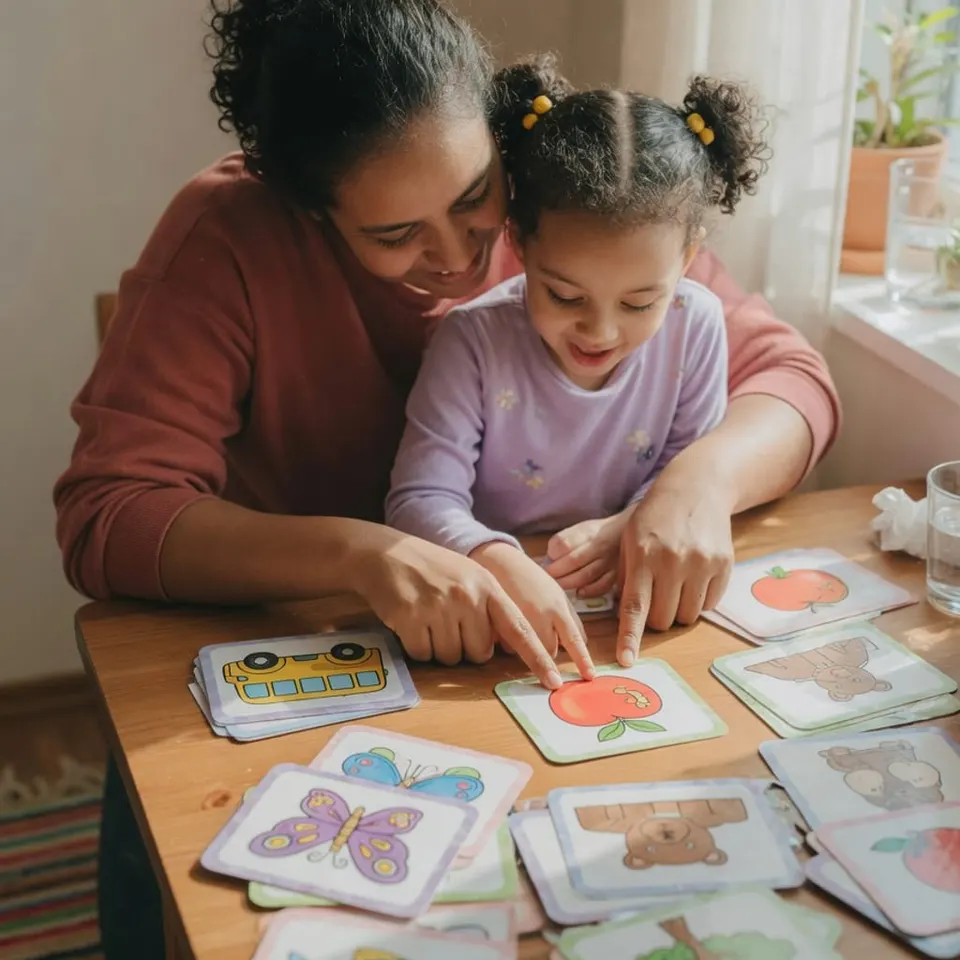
A BCBA designs a treatment plan with specific, measurable goals. Sessions might be in-home, clinic, school, or community. A typical hour could include structured teaching (e.g., table work), natural environment teaching (learning during play or daily routines), and data collection. Parents are trained to implement strategies. As goals are met, the BCBA adjusts the plan and may recommend 'graduation' from intensive therapy or a transition to less frequent visits.
How Insurance and Funding Affect Duration
Most private insurance plans, including those through employers, cover ABA therapy when deemed medically necessary. Many state Medicaid programs also cover ABA, though details vary. Insurance often requires initial authorization for a set number of hours (e.g., 6 months), with re-authorization based on progress reports. This means the 'duration' of therapy is also shaped by insurance cycles. Autism Services Near Me can help you understand what a potential provider accepts and how to verify insurance coverage for long-term therapy.
Common Mistakes to Avoid When Planning ABA Duration
- Assuming all ABA is full-time. Not every child needs 40 hours. Individualization is key.
- Stopping too early. If goals are met, a gradual fade is better than abrupt termination to prevent regression.
- Ignoring insurance timelines. Know your plan's authorization periods and start the re-authorization early.
- Forgetting the family's role. Therapy is most effective when parents and caregivers participate consistently, even for fewer hours per week.
- Thinking ABA is forever. Many individuals 'graduate' from ABA as they master skills; others return for booster sessions during transitions.
How to Get Started with a BCBA-Led Provider
The first step is a diagnostic evaluation, then a recommendation from your doctor or early intervention team. A BCBA will conduct a functional assessment and propose a treatment plan. Finding the right provider can be overwhelming - that's where Autism Services Near Me comes in. As a free matching service, we help you locate vetted, BCBA-led ABA providers in your area that accept your insurance and match your child's age and goals. We do not provide therapy, but we simplify the search so you can focus on your family's journey.