Pivotal Response Treatment (PRT) Explained: A Complete Guide for Families

In short: Pivotal response treatment (PRT) is a child-led, naturalistic form of ABA therapy that focuses on pivotal areas like motivation, responding to multiple cues, and self-management. By targeting these core skills, PRT can lead to broad improvements in communication, social interaction, and behavior. It is often covered by insurance and Medicaid and can be delivered in home, school, or clinic settings.
Key takeaways
- PRT is a naturalistic ABA approach that builds on a child's interests and choices.
- It focuses on four pivotal areas: motivation, response to multiple cues, self-initiation, and self-management.
- PRT leads to generalized improvements across communication, social skills, and behavior.
- Therapy is often child-led, play-based, and occurs in natural settings like home or school.
Find your child's ABA provider
About 60 seconds · free & confidential
- ✓ Vetted, BCBA-led providers
- ✓ In-home, center & telehealth
- ✓ No obligation, ever
What Is Pivotal Response Treatment?
Pivotal response treatment (PRT) is a comprehensive, naturalistic intervention rooted in the principles of applied behavior analysis (ABA). Developed by Drs. Robert and Lynn Koegel at the University of California, Santa Barbara, PRT shifts the focus from teaching isolated skills one at a time to targeting "pivotal" areas of development. Motivation, response to multiple cues, self-initiation, and self-management are considered pivotal because improvements in these areas often produce large, positive changes across many other skills - from communication and social interaction to academic performance and daily living routines.
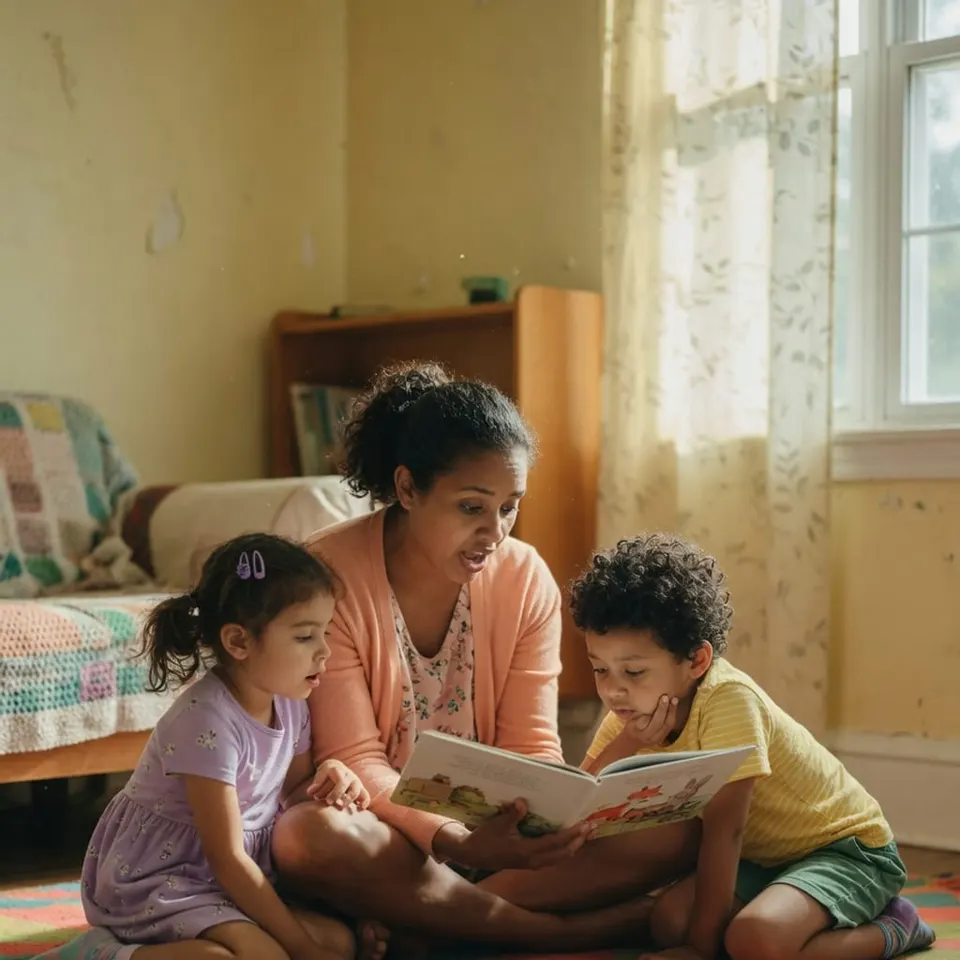
Unlike some traditional ABA models that rely heavily on adult-led, structured drills, PRT meets children where they are. It uses natural opportunities in everyday environments - playtime, mealtime, or a trip to the park - to weave learning into moments that feel fun and relevant to the child. The result is a therapy approach that respects the child's autonomy, reduces resistance, and promotes lasting, generalized skill use.
🔗 Related reading: ABA Therapy Access in Rural vs. Urban Massachusetts · Find ABA Near Me
How PRT Differs From Traditional ABA
Naturalistic vs. Structured Teaching
Classic discrete trial training (DTT) often takes place at a table with repeated prompts and rewards for correct responses. In contrast, PRT follows the child's lead during play or daily routines. The therapist or parent embeds learning opportunities within ongoing activities. For example, if a child reaches for a toy car, the adult might wait expectantly and model the word "car" before handing it over, encouraging a vocal request. This natural rhythm keeps the child engaged and motivated.
Child Choice and Motivation
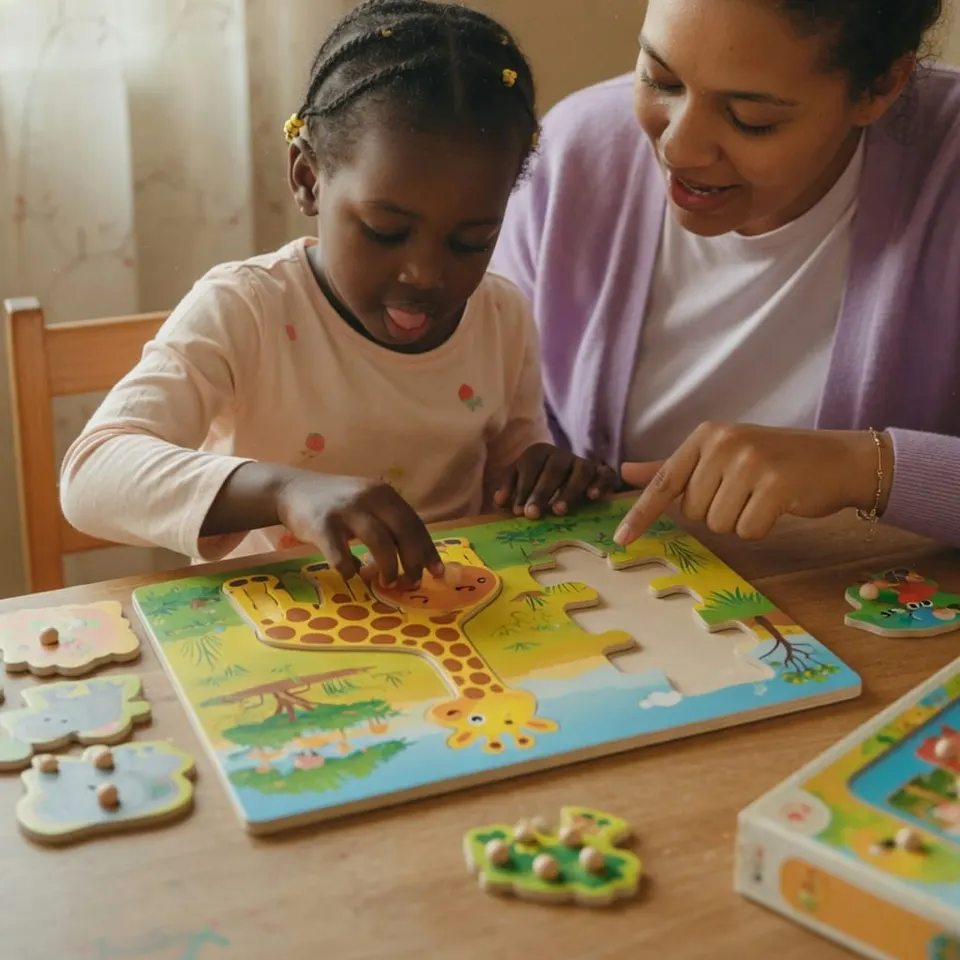
Choice is a core component of PRT. Children are offered meaningful choices - which toy to play with, which book to read, which snack to eat - and the therapist uses those choices as the basis for teaching. By doing so, PRT leverages intrinsic motivation. A child who loves puzzles will be taught communication and turn-taking skills while completing a puzzle, rather than being pulled away to do unrelated tasks. This respectful, child-centered approach often reduces challenging behaviors and increases the child's willingness to participate.
Parent Involvement
PRT places strong emphasis on parent and caregiver training. Through coaching sessions, a BCBA teaches parents how to identify pivotal moments, respond to their child's cues, and create learning opportunities throughout the day. This family-centered model ensures that therapy doesn't stop when the professional leaves; instead, skill-building becomes woven into the family's natural rhythm.
The Four Pivotal Areas
1. Motivation
Motivation is arguably the cornerstone of PRT. Children are more likely to learn when they are genuinely interested. Therapists use strategies like: giving the child a choice of activity, interspersing easy and challenging tasks, providing immediate and natural rewards (e.g., actually getting the toy after requesting it), and reinforcing any attempt - not just perfect responses. Over time, a motivated child becomes an active, engaged learner.
2. Response to Multiple Cues
Children with autism often have difficulty attending to multiple aspects of their environment at once. PRT teaches them to respond to "multiple cues" - for example, seeing a red ball versus a blue block, and learning to discriminate based on both color and shape. This ability to process complex information is a pivotal skill that supports more sophisticated language and social understanding.
3. Self-Initiation
Self-initiation involves starting interactions, asking questions, or requesting help without being prompted. PRT actively encourages initiations. A therapist might pause during a game, look expectantly, or place a desired item just out of reach to create an opportunity for the child to initiate. Stronger initiation skills lead to more independent communication and social connections.
4. Self-Management
Self-management teaches children to monitor and regulate their own behavior. With guidance from the BCBA, children learn to recognize their own actions, track progress, and even reward themselves when a goal is met. This fosters independence and can be particularly helpful for reducing disruptive behaviors and increasing on-task behavior in school or at home.

🔗 Related reading: Your Guide to Autism IEPs & School Services in Florida · Apply for ABA
What to Expect in a PRT Session
Setting and Structure
PRT is flexible. Sessions can take place in a clinic, at home, or in a community setting. A typical session might look like free play with carefully arranged materials. The therapist interacts with the child naturally - rolling a ball, blowing bubbles, or reading a book - while embedding teaching trials. There is no rigid schedule; the session flows with the child's interests. A BCBA will track data on targeted skills, but the atmosphere remains warm and playful.
Roles of the Therapist and Parent
The BCBA designs the PRT program, selects goals, and monitors progress. During sessions, they model strategies for parents and provide real-time feedback. Parents then practice those strategies with their child, gradually taking over more of the implementation. Over time, the BCBA's involvement may reduce as parents become more confident. This collaborative model empowers the family to be the primary agent of change.
Example of a PRT Teaching Opportunity
Imagine a child who loves cars but rarely uses words to request them. The therapist places a favorite car in a clear container with a lid. The child reaches for it, looking frustrated. The therapist says, "You want the car! Say 'car,'" and waits. The child vocalizes "ca" - the therapist immediately opens the container and hands over the car, saying "Great talking! Car!" The natural reward (getting the car) is immediate. This brief moment teaches requesting, labeling, and communication through a fun interaction.
Who Can Benefit From PRT?
PRT was originally developed for young children with autism, but research shows it benefits individuals across a wide age range - from toddlers to adolescents. It is especially effective for children who are verbal or who are developing some spoken language, as the focus on motivation and initiation often boosts communication quickly. However, PRT can also be adapted for minimally verbal children or those with more significant support needs by using alternative communication systems (e.g., signs, picture cards). Many children learn to initiate more often, engage socially, and reduce challenging behaviors as a result of PRT.
Evidence and Effectiveness
PRT is one of the few autism interventions classified as an evidence-based practice by the National Professional Development Center on Autism Spectrum Disorder. Numerous studies - including randomized controlled trials - have shown that PRT leads to improvements in language, social skills, play, and self-regulation. Because PRT targets pivotal areas, gains often generalize to new settings, people, and materials, making it a powerful and efficient therapy. Long-term studies suggest that children who received PRT maintain their skills and continue to show positive outcomes years later.
Costs and Insurance Coverage
Like other forms of ABA therapy, PRT is a medically necessary treatment for autism. In most states, private insurance plans are required to cover ABA services, including PRT, as part of the autism benefit. Medicaid also covers ABA, though specific eligibility and authorization processes vary by state. Families should check their plan's details - many will cover a certain number of hours per week as determined by a BCBA assessment. However, navigating insurance can be confusing. Autism Services Near Me is a free service that connects families with vetted, BCBA-led providers who accept insurance and Medicaid. We can help you find a PRT program in your area and clarify what coverage options are available.
How to Get Started
If PRT sounds like a good fit for your child, the first step is to find a qualified BCBA with training in PRT. Not all ABA providers offer PRT; it requires specific knowledge and experience. A comprehensive initial assessment will determine your child's strengths and needs, and a PRT program will be tailored accordingly. Autism Services Near Me can introduce you to board-certified behavior analysts in your community who offer PRT. Our matching service is always free, and we work with many providers who specialize in naturalistic, child-led approaches. Simply reach out, share a few details about your child and location, and we'll connect you with options that fit your family's preferences and insurance.